Man With Van West Heath for local moving and transport help

Man With Van West Heath provides practical moving support for homes, flats and small business loads in a way that suits a smaller move, a single item pickup or a fuller relocation. The service is built around careful handling, sensible loading and straightforward transport, with enough flexibility to manage everyday tasks without making the process feel overcomplicated. If you need items collected, carried and delivered with attention to access and timing, this is a clear starting point.
Our work can cover furniture moves, household belongings, part-load removals and other transport tasks that do not need a large removal lorry. Where a move needs planning, we can discuss the items involved, access at both ends and any packing or dismantling that may help the job run smoothly. If you are comparing options, the man with van service page gives a useful overview of the core service style, while this homepage explains how the work is usually approached.
People often want a service that is simple to organise, easy to understand and suitable for the scale of the move. We aim to keep the process grounded in the practical details that matter: what needs moving, how much space it takes, whether there are stairs, and whether fragile or awkward items need extra care. Use the main pages here as a guide to the different ways a van-and-driver arrangement can support a move.
What the service covers
The core service is transport for furniture, boxes and mixed household items, but the exact work depends on the job. Some customers need help moving a sofa, bed frame or appliance; others need a fuller household load taken from one address to another. A smaller van-based move can suit shorter journeys, limited access or loads that benefit from quicker loading and unloading rather than a full removal crew. The emphasis is on keeping the job proportionate to the amount of property involved.
For a wider view of related options, the removal services page sets out the broader categories of work available, including smaller and larger move types. When the move is domestic, the home moves page is a sensible follow-on read because it reflects the sort of everyday relocation many customers arrange first. Both pages help you decide whether you need a simple van trip or a more structured moving plan.
In practice, this type of service is often chosen for items that need a hands-on approach rather than a courier-style delivery. That can include awkward furniture, boxed contents from a room or garage, or a short-notice pickup where a direct vehicle transfer is the most efficient answer. If your move is straightforward, the service can remain straightforward too. That simplicity is often the point.
Planning a move without unnecessary hassle

Good planning starts with a clear list of what is being moved and the conditions at each property. Access details matter, especially if there are tight hallways, narrow staircases, shared entrances or parking limits near the loading point. For mixed loads, it also helps to know whether any items are heavy, fragile, awkwardly shaped or need to be protected from scuffs during loading. This is where a concise description of the job makes it easier to match the right vehicle and approach.
If you want to compare costs and see what information is usually needed, the pricing and quotes page is the best next step. It supports a sensible quotation process by showing the factors that can affect the shape of a move, such as item count, distance and handling needs. For customers who want extra help with boxes and wrapping, the packing and unpacking services page outlines a useful add-on to consider alongside transport.
Two things make quoting easier: a clear description of the load and a realistic view of access. If you are moving from a top floor, collecting from storage, or dealing with a combination of furniture and smaller items, it is better to mention that early rather than later. A brief written list can be enough, and photographs can help where an item is unusual, bulky or delicate. Keep the focus on the facts, and the planning tends to feel less stressful.
Furniture, single items and mixed loads

Not every move involves a full van of household contents. Sometimes the job is a single wardrobe, a mattress, a dining table or a few appliances that are too awkward to handle alone. Other times the load is mixed: a couple of large pieces, several boxes and a few items that need a bit of protection. The service is useful when the work sits between a quick parcel delivery and a full-scale removals team.
For people moving individual pieces or small amounts of household goods, the furniture pick up page is relevant because it focuses on collecting larger items safely and moving them on in one straightforward trip. The movers page is also worth a look if you want a broader sense of the support that can be provided around lifting, carrying and delivery. These pages are helpful when your job is not a standard house move but still needs organised handling.
Mixed loads often benefit from an orderly approach to loading the van. Heavier items generally need to be positioned securely, with lighter goods arranged around them so the load stays stable in transit. The aim is not only to move everything from A to B, but to do so in a way that keeps the items better protected on the journey. If the move includes furniture with detachable parts, it is often sensible to separate those parts and keep fixings together.
House moves and domestic removals
When the job is a home relocation, the service becomes more than simple transport because the order of loading, the sequence of unloading and the handling of furniture all matter. A van-based move can suit smaller homes, flats, shared properties or partial moves where only selected rooms are being relocated. It can also be a practical choice for customers who want the essentials moved cleanly without arranging a larger multi-vehicle operation.
The house removals page gives a direct domestic reference point, while the house movers page is useful if you want to compare the style of help available for moving the contents of a property. If you need a more general perspective on domestic relocation, removals explains the wider moving category and can help you decide which level of service feels most appropriate for your household.
Domestic moves often work best when the key pieces are identified in advance. Beds, wardrobes, sofas, cupboards and boxed belongings are all handled differently because they vary in size, weight and how they fit in the vehicle. A well-organised load usually means less shuffling on arrival and a smoother handover at the new address. That kind of structure saves time and avoids avoidable damage.
Commercial moves and office relocation support

Van-based moving is not only for households. Small offices, studios, shops and other workspaces may need help relocating furniture, files, shelving, stock or equipment without the scale of a full commercial removals contract. The work can be arranged around the equipment involved and the access available at both premises, with the emphasis on keeping the business move organised and proportionate.
If you are moving a workplace, the office relocation services page is a good match because it focuses on the type of relocation businesses usually require. The office removals page adds further detail on moving office contents, which is useful where desks, chairs, storage units and boxed records all need to travel together. For a broader commercial context, commercial moves sets the work within the wider business relocation picture.
Office and commercial jobs often need a little more coordination than domestic pickups because equipment may need separating, labelled packing or careful sequencing. It can help to decide what is going immediately, what can wait and what needs to stay accessible during the transition. If desks or cabinets need dismantling, that should be considered as part of the moving plan rather than as an afterthought. The right plan keeps business disruption more manageable.
About West Heath
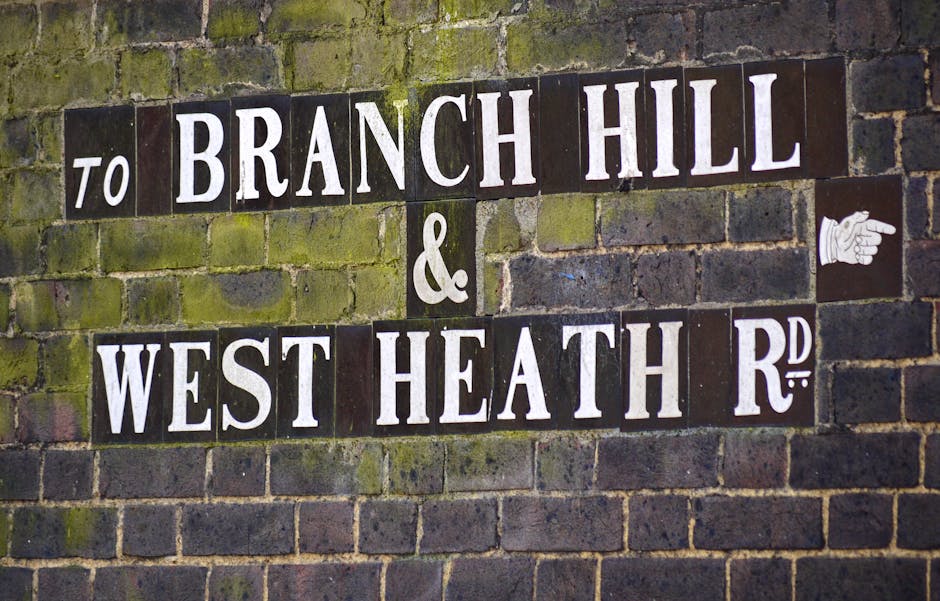
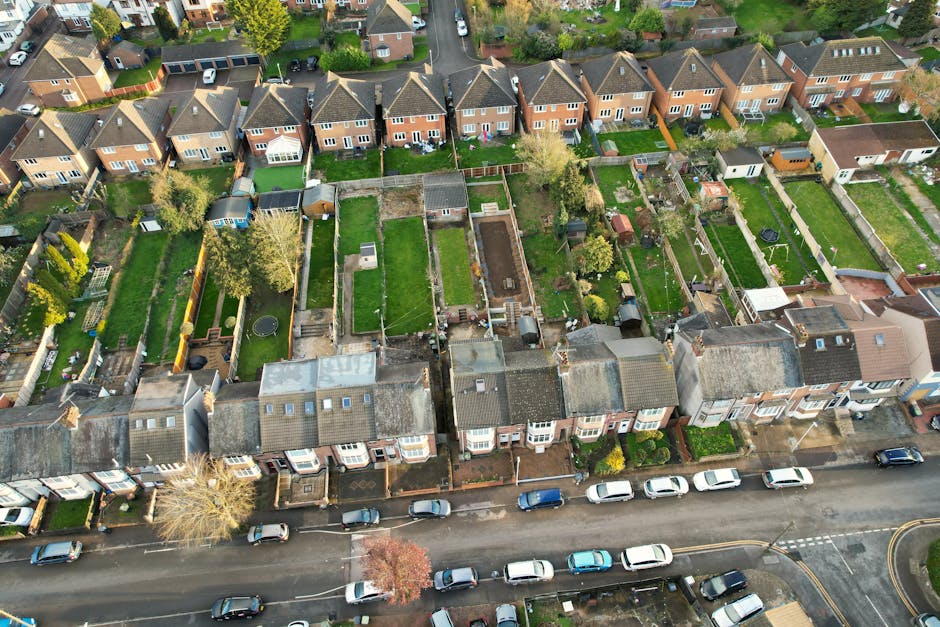
West Heath is a district in the southern part of Birmingham, in the West Midlands, and its character reflects the way the city gradually expands into greener, more suburban edges. The name is closely associated with the historic heathland landscape that once covered large stretches of the area before later development replaced much of the open ground. Today, West Heath is known as a residential neighbourhood with local roads, schools, shops and community facilities set within the wider Birmingham setting. Its position gives it links to surrounding districts such as Northfield and Kings Norton, while still retaining a recognisable local identity of its own. The nearby Lickey Hills are one of the best-known open landscapes in the wider area, offering long views and a strong contrast with the built-up streets of south Birmingham. The area also sits within a city shaped by canals, railways and industrial growth, yet West Heath itself feels more suburban than central, with housing and everyday amenities forming much of its visible landscape. In a broader historical sense, it belongs to a part of Birmingham that has changed steadily through the twentieth century as transport links, suburban expansion and local services reshaped former rural ground into neighbourhood streets. That combination of older name, suburban growth and access to nearby green spaces gives West Heath a clear place within the city’s geography.
Loading, access and item protection
Some moves are affected less by distance than by the physical realities of the building. Tight staircases, basement access, shared hallways, lifts, parking restrictions and long carries can all influence how the work is organised. For that reason, it is sensible to think about the route from property to vehicle before moving day. A clear access picture helps the job flow and supports better handling of furniture and boxed items.
Where a load includes delicate items, protection matters as much as lifting technique. Mirrors, glass tables, framed pictures and electronics often need extra padding or stable placement so they are not knocked during transit. If items can be dismantled safely, that may make them easier to transport; if not, they should be secured in a way that respects their shape and finish. The right approach depends on the item, not on a one-size-fits-all rule.
For customers who want to understand vehicle options and moving format, the moving van page and the moving truck page are useful comparisons. They help clarify the sort of transport that may suit a particular job, especially where the volume or shape of the load makes vehicle choice important. That said, the best option is usually the one that matches the actual items rather than an assumed size.
Choosing the right moving support

Choosing a moving service is often about balancing simplicity, capacity and handling. A smaller move may only need a single van and a practical loading plan, while a fuller household relocation may need more structure and more careful sequencing. The service should fit the task rather than push every customer into the same format. That is why it is useful to compare the available pages and decide what suits the load, the access and the timing.
The man with van removals page can help if you want to see how this style of moving fits within the wider removals category, while man with a van is another helpful point of reference for the general service idea. For customers who are simply exploring the broader moving market, removals near me can be a useful way to think about local comparison before deciding what to arrange.
When you are ready to take the next step, keep your enquiry brief but specific: list the main items, mention the collection and delivery points, and note anything unusual about access. Clear details make for clearer planning. If you would like to discuss your move or request a quotation, the final step is to contact us and share the basics of the job.
Practical choices for a smoother move
Preparation is usually easier when it is limited to the essentials. Grouping similar items together, separating anything fragile and making sure the main walkways are clear can reduce delays on the day. If you are packing yourself, try to keep boxes at a manageable weight and label them by room or priority. Those small steps do not make the job perfect, but they do make loading and unloading more orderly.
For customers who want to understand how payment, booking terms and service expectations are handled, the terms and conditions page, the payment and security page and the insurance and safety page provide useful background. They help set expectations around what is included and how the service is organised. It is always sensible to review such pages when comparing providers or planning a move that has valuables, time constraints or more involved handling needs.
If your move includes waste reduction or reuse considerations, the recycling and sustainability page offers a further perspective on responsible disposal and resource use. Not every move needs that extra layer, but it can be relevant where some items are being passed on, recycled or separated from the main load. Choosing what travels and what does not can simplify the move as well as the destination.
Questions to think through before you request a quote
A clear quotation usually depends on a few practical questions rather than a long explanation. What needs moving? How many rooms or items are involved? Are there stairs, lifts, parking limits or long carries at either end? Are any items especially heavy, delicate or awkward to move? If those points are covered, it becomes easier to describe the job properly and match the right kind of support to it.
If you are comparing providers, it can also help to look at how they describe their services across related pages. The removal company page offers a broader business view, while removal companies gives a general comparison category. These pages are useful when you want to understand the wider market before making your choice, especially if the move has both domestic and commercial elements.
For the simplest enquiry, keep your message focused on the move itself rather than on extras you may not need. A short description is often enough to begin with, and additional details can follow if required. That keeps the conversation practical and avoids making the first step feel bigger than it needs to be. When the basics are clear, requesting a quotation becomes much more straightforward.
Making the move manageable from start to finish
The best-moving jobs are usually the ones that are planned around the objects themselves: their size, weight, fragility and the route they need to travel. Whether you are moving a few items, a partial household load or a small office set-up, the service should support the task in a measured way. A van-and-driver arrangement can be especially useful when you want hands-on transport without unnecessary complication.
Related pages such as house removalists, man with van removal and removal van help show how the same service family is described in different ways across the site. If you are still deciding what to arrange, these pages can help you compare the wording and choose the description that best fits your move.
When you are ready, use the site information to shape a clear request and then ask for a quotation that matches the actual work involved. That is the most reliable way to keep the process simple and avoid unnecessary guesswork. If your move is approaching soon, now is a good time to make the details concrete and take the next step.