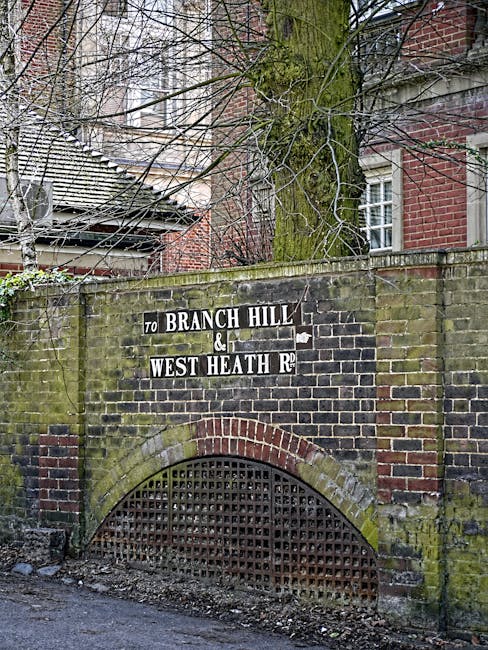
Restricted-access properties: West Heath moving fixes
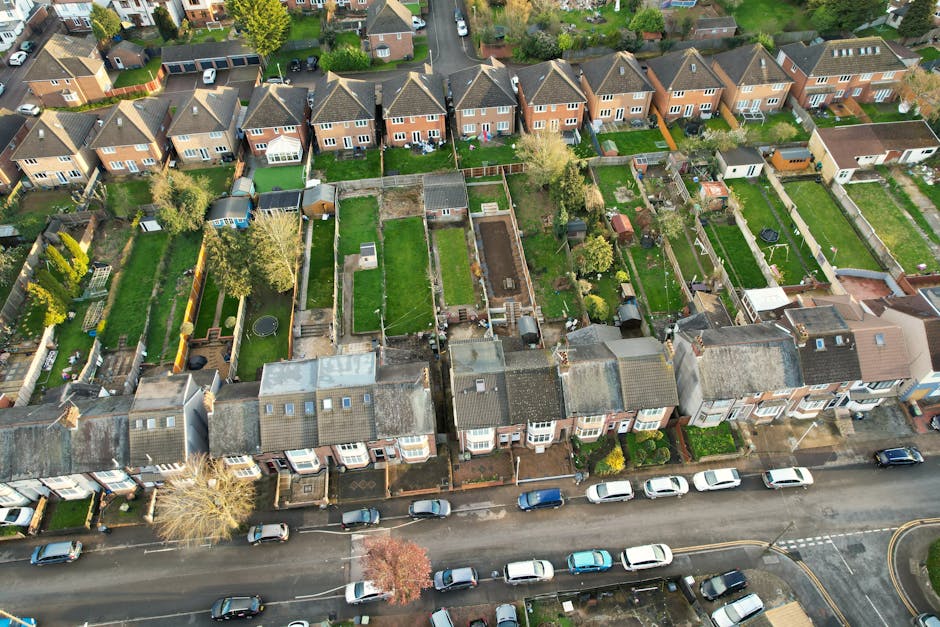
Restricted-access moves can turn a simple relocation into a day of awkward angles, tight turns, and the odd moment where everyone just stands there staring at a sofa. If you are dealing with Restricted-access properties: West Heath moving fixes, you are probably working around narrow stairwells, limited parking, shared entrances, loading constraints, or a layout that looks sensible on paper and far less sensible in real life. The good news? These moves are manageable with the right planning, the right packing order, and a few practical fixes that stop small access problems becoming expensive delays.
This guide breaks down what restricted-access moving really involves in West Heath, why it matters, how to plan it properly, and which fixes work best in real homes, flats, and local business premises. You will also find a step-by-step approach, common mistakes to avoid, and a clear checklist you can actually use. No fluff. Just the stuff that helps on moving day.
Why Restricted-access properties: West Heath moving fixes Matters
Access issues affect more than convenience. They shape the whole move: vehicle size, crew numbers, packing order, timing, and even whether an item can be moved without being dismantled. In West Heath, that often means working around estates, flats with tight communal corridors, rear entrances, short windows for loading, and local streets where parking is not exactly generous. If you have ever tried to carry a wardrobe through a staircase that seems designed by someone with a grudge, you will know the feeling.
Restricted access matters because the risks stack up quickly. A narrow doorway can scratch furniture. A steep stairwell can slow the team. Poor parking can mean longer carry distances, which increases fatigue and the chance of damage. And if a move runs late, you may also end up bumping into lease handover times, building management rules, or storage handovers. That is why the best moving fixes are not just about strength; they are about sequence, preparation, and choosing the right method first.
For a broader look at planning a smooth move from start to finish, the guidance in stress-free moving-day planning and decluttering before a house move is especially useful. The less you carry, the fewer access problems you have to solve. Simple, but very true.
Key point: restricted-access moves are won before the van arrives. If you solve the access problem early, the actual moving day feels much calmer.
How Restricted-access properties: West Heath moving fixes Works
The approach is straightforward in principle, even if the property itself is not. First, you identify the exact restriction. Then you decide whether to reduce item size, change the route, split the load, change the vehicle plan, or use specialist lifting equipment. In many cases, the solution is a mix of all five. That is the reality.
A good restricted-access plan normally starts with a walk-through. You look at the entrance width, stair turns, hallway clutter, ceiling height, lift size if there is one, and the distance between the property and the vehicle. You also consider what the building will allow: deliveries only at certain times, no waiting on double yellows, or no blocking of shared access. From there, the move can be shaped around what the property actually gives you.
West Heath moves often benefit from a "first fix" mindset. If the access is difficult, do not wait until moving day to react. Instead, pre-pack smaller, label clearly, dismantle bulky items where possible, and decide what must go first. For example, mattresses, desks, bed frames, and corner sofas can often be handled more smoothly when prepared in advance. If you need detailed item guidance, the articles on moving beds and mattresses and specialist piano transport show how item-specific planning changes the whole job.
It is also worth remembering that access fixes are not always physical. Sometimes the real fix is administrative: booking the correct time slot, arranging temporary parking, or choosing a smaller vehicle rather than forcing a larger one into a street that cannot comfortably take it.
Key Benefits and Practical Advantages
When restricted-access moving is handled well, the benefits are immediate. Things take less time, damage risk drops, and everyone is less frazzled. Nobody is pretending moving day becomes fun, but it does become much more manageable.
- Less risk of damage: Smaller, better-planned loads reduce bumping, scraping, and rushed handling.
- Lower physical strain: Good planning cuts down on unnecessary carrying and awkward lifting.
- Better time control: With routes and parking planned, delays are easier to avoid.
- Smarter use of space: Tight properties often need loads staged in the right order, not all at once.
- Fewer surprises: If you know about the access issue in advance, you can solve it before it becomes a problem.
There is also a financial angle, even if it is not always obvious. A poorly planned access issue can lead to extra labour time, a second trip, temporary storage, or avoidable replacement costs for damaged items. On the other hand, a well-managed move can keep everything within the original scope. That is where good preparation pays for itself.
If your move involves awkward loading, you may also find value in safer heavy-lifting techniques and solo lifting guidance, especially if the property requires items to be split, tilted, or carried in stages.
Who This Is For and When It Makes Sense
Restricted-access moving fixes are useful for anyone whose property makes a standard move awkward. In West Heath, that often includes flat tenants, student movers, office teams, and families in houses with limited frontage or shared drive access. It also includes people moving heavier or fragile items that cannot simply be squeezed through a difficult route and hoped for the best. Let's face it, hope is not a moving strategy.
This approach makes the most sense if you recognise any of the following:
- stairs are narrow, steep, or twist tightly at the landing
- the doorway is small or awkwardly placed
- parking is limited or a long carry is unavoidable
- you live in a flat with shared access or a compact entrance hall
- you have bulky furniture that will not move safely in one piece
- your move has a fixed deadline and no room for delays
It is especially sensible for furniture-heavy homes, rental moves with strict handover times, and business relocations where downtime matters. If you are moving an office or a mixed-use property, take a look at industrial estate removal planning and quick flat-move checks for local-style examples of how access changes the job.
There is no shame in choosing a smaller, more flexible service when access is awkward. In fact, that is usually the smart call.
Step-by-Step Guidance
Here is a practical sequence that works well for restricted-access properties. It keeps the move organised and makes it easier to spot where the pressure points are.
- Survey the access properly. Measure doorways, stair widths, landings, low ceilings, and turning space. Take photos if needed.
- List the awkward items first. Anything large, fragile, or heavy gets flagged early: wardrobes, sofas, white goods, beds, desks, pianos, and glass tables.
- Decide what should be dismantled. Bed frames, table legs, shelving, and some wardrobes travel far better in pieces.
- Clear the route inside the property. Remove clutter, mats, loose cables, and anything that might catch a corner or a wheel.
- Plan the vehicle position. If the van cannot sit right outside, map the carry route and estimate extra time realistically.
- Pack by access order, not room order. Put the easiest items where they can be reached first, and keep the awkward ones clearly labelled.
- Protect edges and flooring. Use covers, blankets, and careful handling to stop scuffs at tight corners and door frames.
- Use an unloading sequence. Small items, then medium items, then bulky pieces. Do not send the sofa in before the hallway is clear.
- Keep one person focused on the route. A simple callout like "step", "turn", or "pause" helps more than people think.
- Check the finish. Once the property is emptied, inspect both the old and new location for damage or items left behind.
That order matters. If you start with the biggest items, you usually create avoidable friction. Start with the access problem and work backwards from there. Much easier.
Expert Tips for Better Results
Most access issues become manageable when you stop treating them as one big problem and break them into smaller ones. That is the honest trick.
1. Reduce item size before move day
Small dismantling jobs save a surprising amount of time. Removing table legs, bed slats, shelving, and detachable handles can turn a "won't fit" item into a simple carry. If you are packing a home with lots of furniture, the advice in packing like a professional is worth following closely.
2. Treat parking like part of the route
Parking is not just admin; it is part of the access plan. A longer carry can be fine if it is expected, but it should never be a last-minute surprise. If your property sits on a road with awkward stopping points, the local notes in West Heath road parking access tips will feel very familiar.
3. Keep the first-load items easy to reach
When a move is tight, the first items off the van should be the ones that unblock the rest of the job. That usually means essentials, flat-pack pieces, and the furniture that determines room layout. No point burying the mattress under three boxes of kitchenware, is there?
4. Use storage as a pressure valve
If access is too restricted for everything to move in one clean flow, temporary storage can break the move into sensible stages. It is especially helpful when completion times differ, or when you are waiting for keys, builders, or a building manager. See the practical guidance on local storage options and the article on storing a freezer temporarily if appliances are part of the problem.
5. Protect the property as if it were your own
Tight access means more contact points: bannisters, skirting, walls, corners, and floors. Use padding where needed. Small precautions are boring, yes, but boring is good when you are moving a wardrobe through a narrow landing.
Common Mistakes to Avoid
Restricted-access moving tends to go wrong in predictable ways. Most of them are avoidable, which is the annoying part, really.
- Not measuring properly: Guessing doorway width or stair turns is a gamble you do not need.
- Booking the wrong vehicle: Too large and you struggle to park; too small and you need repeat trips.
- Leaving packing too late: Unsorted items make a tight move slower and messier.
- Forgetting building rules: Some properties have loading restrictions or access windows that matter a lot.
- Ignoring dismantling options: If something can come apart safely, it often should.
- Underestimating carry distance: A short street can become a long move once the van cannot park nearby.
- Failing to protect corners and floors: Small scrapes are easy to avoid and surprisingly irritating to repair.
One of the more common mistakes is trying to "make it fit" by brute force. That almost always costs more time than it saves. Another is assuming the team can improvise everything on arrival. Maybe sometimes, but not reliably. Planning is the fix.
Tools, Resources and Recommendations
You do not need a van full of specialist equipment to manage a restricted-access move, but the right basics make a huge difference.
| Tool or resource | What it helps with | Why it matters |
|---|---|---|
| Measuring tape | Doorways, corridors, stair turns | Prevents avoidable "it won't fit" moments |
| Furniture blankets and wraps | Protection in narrow spaces | Reduces scuffs, dents, and scraping |
| Labels and marker pens | Room-by-room and priority sorting | Keeps the unload calm and organised |
| Dismantling kit | Bed frames, shelves, tables | Turns oversized items into moveable parts |
| Floor protection | Hallways, thresholds, entrance points | Useful in older buildings and shared spaces |
| Temporary storage | Staggered moves or access bottlenecks | Gives you breathing room when timings clash |
When a move includes large furniture, these supporting articles help make better decisions: furniture removal support, sofa storage protection tips, and bulky waste collection options if you are clearing items that should not travel with you at all.
For planning and budgeting, it also helps to review the practical details in pricing and quote guidance and the service overview at services overview. Knowing what is included up front saves a lot of back-and-forth later.
Law, Compliance, Standards, or Best Practice
With restricted-access properties, best practice is less about red tape and more about careful, lawful, considerate moving. In the UK, movers and customers generally need to think about safe lifting, property access, parking rules, and the terms set by landlords, managing agents, or building operators. Exact requirements can vary from one street or building to another, so it is wise not to assume. Check the practical rules for the property rather than relying on memory or hearsay.
Good practice usually includes the following:
- confirming access arrangements in advance
- avoiding obstruction of shared entrances or emergency routes
- using safe lifting methods for awkward loads
- protecting communal areas and leaving them tidy
- ensuring items are moved within the agreed time window
Health and safety is not just a policy page somewhere in the background; it is the basis of a clean move. If you want to understand the kind of standards a careful mover should work to, see the company's own health and safety policy and insurance and safety information. For how disputes are handled, there is also a complaints procedure. That might sound dry, but it tells you a lot about how seriously a provider treats the job.
Accessibility also matters. In properties where steps, ramps, or narrow corridors affect the move, being thoughtful about route choice and physical handling is simply good practice. It helps everyone involved and reduces the chance of avoidable strain or damage. To be fair, that is really the whole point.
Options, Methods, or Comparison Table
There is no single best method for every restricted-access move. The right choice depends on how tight the property is, how much you are moving, and how quickly you need it done. Here is a simple comparison.
| Method | Best for | Strengths | Trade-offs |
|---|---|---|---|
| Smaller van and multiple loads | Narrow streets, limited parking, short carries | Flexible and easier to position | May take longer overall |
| Dismantling furniture first | Bulky items, awkward stairwells | Improves fit and handling | Needs time and care to reassemble |
| Temporary storage staging | Split completion dates, access bottlenecks | Reduces pressure on move day | Requires extra planning and handling |
| Specialist handling for heavy items | Pianos, large wardrobes, oversized sofas | Safer for valuable or delicate items | Needs experienced movers and the right equipment |
| Full house-clear route planning | Complicated interiors or shared buildings | Best control and least chaos | Requires more prep time before the move |
For many West Heath jobs, the best answer is a hybrid: a smaller vehicle, early dismantling, and a carefully ordered load. That mix tends to be the sweet spot, especially in flats or properties with shared access. If you are comparing moving support options more broadly, the pages on man with a van, man and van, and local removals can help you think through the scale of service you need.
Case Study or Real-World Example
A typical restricted-access move in West Heath might involve a first-floor flat above a busy street, a shared stairwell, and a sofa that just looks a little too wide for comfort. The residents have one parking bay available for a short period, but not much else. If the team simply arrives and starts carrying, it becomes a slow, tense shuffle. Everyone is sweating by 10:15. Not ideal.
Instead, the move is handled in stages. The access route is checked the day before. The sofa legs are removed. Boxes are grouped by priority. Smaller items are loaded first so that the larger furniture can be brought in once the hallway is clear. The vehicle is positioned to minimise carrying distance. A second person is assigned to manage the stairwell and call out corners. The whole process still requires effort, of course, but it becomes controlled rather than chaotic.
That is the hidden value of restricted-access fixes. They do not magically make the property bigger. They make the space workable. And that is a meaningful difference.
In another common example, a student move benefits from very similar thinking. Limited access, lighter loads, and tight timing can still cause delays if boxes are poorly packed or the route is blocked. Helpful reading includes student removals support and the practical packing guide at packing like a professional.
Practical Checklist
Use this before moving day. Print it, save it, scribble on it. Whatever works.
- Measure doorways, stair turns, and corridor widths
- Confirm parking or loading space in writing if possible
- Identify all bulky, fragile, or heavy items early
- Dismantle items that would otherwise cause a blockage
- Pack by priority and access order, not just by room
- Label boxes clearly for the unload sequence
- Protect floors, corners, and bannisters
- Keep tools, keys, and assembly parts together
- Allow extra time for carry distance and stairs
- Check building rules, lift use, and access windows
- Set aside essentials for the first night
- Review the move plan again the evening before
Quick summary: if the route is tight, the fix is usually a combination of measuring, dismantling, parking planning, and smarter packing. It sounds almost too simple, but that is exactly why it works.
Conclusion
Restricted-access properties do not have to derail a move. They just demand more thoughtful planning and a willingness to adapt the process to the building, not the other way around. In West Heath, that might mean tighter parking planning, smaller vehicles, careful dismantling, or using storage to split the move into calmer stages. Once you stop fighting the property and start working with it, things become much easier.
The real fix is rarely one dramatic solution. It is usually a chain of small, sensible choices made early enough to matter. Measure properly. Pack intelligently. Protect the building. Keep bulky items under control. And if the route looks awkward, treat that as useful information, not bad luck.
If you are preparing a difficult move and want it handled with less stress, use the practical steps above and review the linked guides where they fit your situation. A little local knowledge goes a long way.
Get a free quote today and see how much you can save.
Frequently Asked Questions
What counts as a restricted-access property in West Heath?
Usually it means any property where standard moving access is made difficult by narrow staircases, small doorways, poor parking, shared entrances, or limited loading time. Flats and older houses are common examples, but offices and storage-heavy homes can count too.
How do I know if my sofa or wardrobe will fit?
Measure the widest parts of the furniture and compare them with the narrowest points in the route, including turns on the stairs. If the item cannot be moved safely in one piece, dismantling may be the better option.
Should I book a larger van just in case?
Not always. A bigger vehicle can be harder to park near restricted-access properties, which can actually make the move slower. In many cases, a more compact van with a smarter load plan works better.
Is it worth dismantling furniture before moving day?
Yes, if the item is awkward, heavy, or borderline too large for the route. Dismantling can make carrying safer and reduce the chance of damage. Keep fixings and labels together so reassembly is not a nightmare later.
What if there is no parking right outside?
Then the carry route becomes part of the plan. You should allow extra time, protect the item well, and keep the load sequence efficient. Local parking and access planning can make a big difference here.
Do restricted-access moves cost more?
They can, depending on the extra time, labour, or equipment needed. That said, a well-planned move often avoids much bigger costs from delays or damage. It is worth getting the route checked early.
Can storage help with a difficult access move?
Absolutely. Temporary storage is useful when the property is not ready, when access is too tight for a full load, or when completion timings do not line up neatly. It turns a stressful one-day move into a more controlled process.
How do I protect walls and floors in a narrow hallway?
Use proper coverings, keep walkways clear, and move slowly at the tightest points. The aim is to reduce friction and protect high-contact areas like corners, skirting, and bannisters.
What should I pack first for a restricted-access move?
Start with non-essential items, then sort by weight and access priority. Keep the most awkward items clearly labelled, and pack the things you will need first so they come off the van last only if that makes sense for the route. In a tight move, sequence matters more than room order.
Is a piano or heavy appliance move different from a normal restricted-access move?
Yes. Heavy and delicate items need more careful handling, more planning, and often specialist support. Pianos, freezers, and large appliances can be especially tricky in narrow hallways or stairwells.
What is the single best way to avoid problems on the day?
Check the access in advance. A measured route, a clear parking plan, and a packed, labelled property solve more problems than almost anything else. It sounds basic, but it is the foundation of a smooth move.
Where can I read more about preparing for a complicated move?
The most useful next reads are the practical guides on moving-day planning, packing, decluttering, and special-item handling. They help you reduce the load and keep the move under control, which is exactly what restricted-access jobs need.