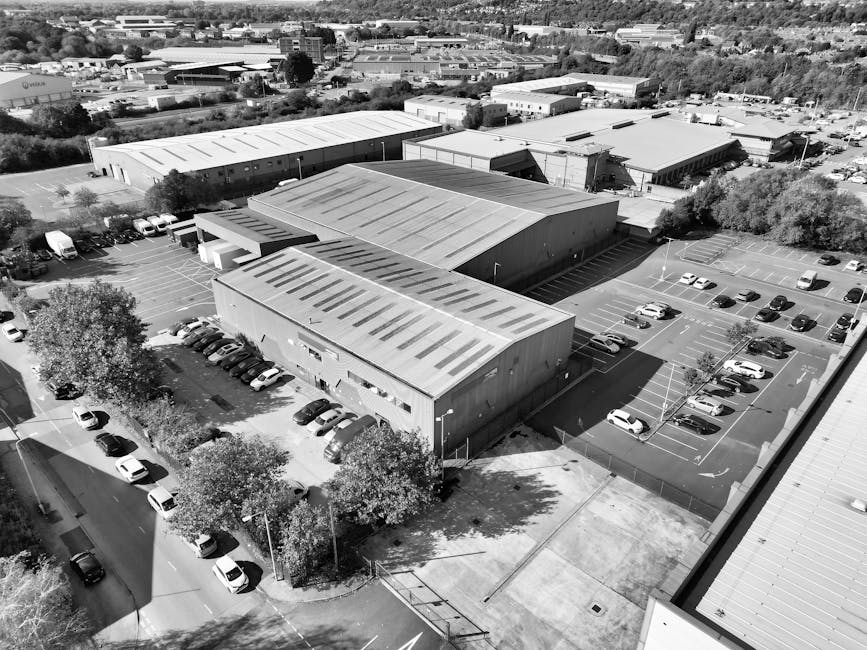
Guide to West Heath Industrial Estate removals
If you are planning a move at West Heath Industrial Estate, you probably already know the tricky part is rarely the furniture itself. It is the access, the timing, the loading bays, the awkward corners, the stock that cannot be damaged, and the quiet pressure of keeping business moving while everything else is in motion. This Guide to West Heath Industrial Estate removals walks you through the practical side of getting it done properly, whether you are moving a small workspace, a workshop unit, or office equipment that needs more care than a standard house move.
Truth be told, industrial estate moves are a different animal. They need planning, decent communication, and a removal team that understands heavy lifting, access restrictions, and the need to keep things organised. Below, you will find a clear breakdown of what to expect, what to prepare, and how to avoid the kind of last-minute problems that can turn a straightforward move into a long day.
Table of Contents
- Why West Heath Industrial Estate removals matter
- How West Heath Industrial Estate removals works
- Key benefits and practical advantages
- Who this is for and when it makes sense
- Step-by-step guidance
- Expert tips for better results
- Common mistakes to avoid
- Tools, resources and recommendations
- Law, compliance, standards and best practice
- Options, methods and comparison table
- Case study or real-world example
- Practical checklist
- Conclusion
- Frequently asked questions
Why West Heath Industrial Estate removals matters
An industrial estate move is not just about getting items from A to B. It can affect trading hours, staff productivity, customer service, storage arrangements, and even the safety of the people doing the lifting. If you run a business from an estate unit, every hour spent hunting for missing boxes or waiting on a delayed van can ripple through the rest of the day.
West Heath Industrial Estate removals matter because they sit at the intersection of logistics and disruption. You need a plan that keeps the move orderly without making the unit feel like a construction site. That usually means thinking about the route through the building, the size of the vehicle, whether palletised items need special handling, and how to keep fragile or high-value equipment separate from general stock.
For many businesses, the move is also a good moment to tidy up old processes. A lot of units accumulate forgotten shelves, mismatched furniture, obsolete equipment, and boxes nobody has opened in years. We have seen people use a move as a clean reset, which is often the smartest way to do it. If that sounds familiar, a bit of upfront decluttering can make a huge difference, and our decluttering tips for a house move translate surprisingly well to business moves too.
One more thing. Industrial estate access can be sensitive. Shared entrances, parking limits, loading windows, and neighbouring businesses all shape how smooth the day feels. Get that part right, and everything else tends to fall into place more easily.
How West Heath Industrial Estate removals works
The basic process is simple, but the details matter. A typical industrial estate move starts with a survey or a detailed quote discussion, followed by planning the load sequence, vehicle choice, packing method, and delivery timing. Depending on the size of the move, you may also need dismantling, protective wrapping, or temporary storage.
In practical terms, the process often looks like this:
- Initial assessment: You list what is being moved, how much of it there is, and whether anything is fragile, heavy, or awkward.
- Access check: The mover checks parking, entrance width, stairs, lifts, corridor space, and any restrictions on the estate.
- Packing and protection: Items are boxed, wrapped, labelled, or palletised depending on their type and value.
- Loading and transport: The team loads in a planned order so essential items come off first at the destination.
- Unloading and placement: Furniture, equipment, and stock are positioned where you need them, not just dropped at the door.
- Final checks: You confirm that everything has arrived and that the site is left tidy.
That may sound straightforward enough, but the difference between a smooth move and a stressful one usually lies in the ordering. For example, if you are moving office stock and specialist gear at the same time, the gear should not be left loose under lighter items. If you are moving fragile equipment, you want clear labelling and good packing standards. Our guide to packing like a professional is useful here because good packing saves time, protects assets, and reduces the chance of rework later on.
For bigger or heavier items, the move may also involve trained lifting techniques or equipment. That is where sensible planning pays off. You do not want people improvising with a filing cabinet that feels heavier than it should. Ever tried to turn a stubborn cabinet around a tight corner? Not exactly fun at 8:15 on a wet London morning.
Key benefits and practical advantages
There are several reasons businesses and site operators choose a properly planned industrial estate removal rather than trying to do it piecemeal with a few vans and a lot of goodwill.
- Less downtime: A structured move keeps disruption tighter and more predictable.
- Better protection: Proper wrapping, lifting, and loading reduce the risk of damage.
- More efficient use of labour: Trained movers work faster and more safely than ad hoc help.
- Clearer accountability: A professional service gives you a defined process rather than guesswork.
- Improved access planning: The move is shaped around the estate, not fought against it.
- Less stress for your team: Staff can focus on their jobs instead of lugging desks and boxes.
There is also a practical financial benefit that gets overlooked. A rushed or disorganised move can cause avoidable losses: broken chairs, damaged stock, lost parts, missed appointments, and delayed reopening. Those are the hidden costs. They add up fast. A sensible removal plan is often cheaper in the long run, even if the initial quote looks higher than a DIY approach.
Expert summary: The most successful industrial estate moves are usually not the ones with the biggest team. They are the ones with the best sequence, the clearest labelling, and the least guesswork.
If storage is part of your plan, that can make the whole move calmer too. Temporary overflow space is often a useful bridge when the old unit and new unit do not line up perfectly. You can explore storage options in West Heath if you need to stage items rather than move everything in one go.
Who this is for and when it makes sense
This guide is useful for a wide range of people, not just large businesses. Industrial estate removals can involve small traders, workshop owners, e-commerce sellers, office teams, and even individuals moving specialist items out of a unit or shared workspace.
You are likely in the right place if you are:
- moving a workshop, storage unit, or light industrial unit
- relocating office furniture and admin equipment
- transporting stock, boxes, shelving, or displays
- moving specialist items such as a piano, freezer, bed, or sofa from a unit-based business
- working to a tight deadline and need the move completed quickly
- handling a move with access issues, stairs, or limited loading space
It also makes sense if you have a team but not enough time. Quite a few businesses can pack; the issue is usually manpower on the day, not willingness. If that sounds familiar, the right support can bridge the gap neatly. For smaller moves, a man with a van in West Heath may be enough. For larger or more structured moves, an organised removal service in West Heath gives you more capacity and peace of mind.
It is also worth noting that industrial estate removals are not all the same. A small studio unit and a multi-room office move may both sit under the same umbrella, but the handling needs can be very different. That is why a one-size-fits-all approach often falls short.
Step-by-step guidance
If you want the move to feel controlled, the best thing you can do is break it into stages. Not glamorous, but very effective.
1. Audit everything that is moving
Start with a simple list: furniture, stock, documents, tools, IT equipment, specialist items, and anything that needs dismantling. Make a note of what should be moved first and what can wait until the end.
2. Separate the essential from the replaceable
Some items are worth careful wrapping and handling. Others are not worth the extra effort because they are outdated, duplicate, or damaged already. This is a useful moment to cut dead weight. If you are moving mixed stock or business furniture, our guide to furniture removals in West Heath can help you think through the basics.
3. Measure access properly
Check door widths, stair turns, lift sizes, parking spaces, and whether the vehicle can park close enough to reduce carrying distance. It only takes one overlooked corner to slow everything down. Honestly, the wrong angle on a heavy item can ruin a good hour.
4. Choose the right packing method
Use strong boxes, wrap fragile items, tape everything securely, and label boxes by room or function. Keep cables, fixings, and accessories together in bags or labelled envelopes. If you are moving office equipment, do not leave random leads coiled up in a box with paper files. That way lies chaos.
5. Plan the load order
Load heavier items first, then stable furniture, then boxed items, then fragile goods in secure positions. The aim is not just to fit everything in. It is to make unloading logical and safe at the destination.
6. Keep a handover box
Have one clearly marked box or crate with essentials: keys, contact numbers, tape, scissors, chargers, a kettle if needed, cleaning cloths, and any site paperwork. This tiny habit saves a lot of rummaging later on.
7. Finish with checks and cleanup
Before leaving the old unit, do a final sweep for loose items, labels, and forgotten drawers. If you need the place handed back in decent condition, our moving-out cleaning checklist is a sensible companion read.
Expert tips for better results
A few small decisions can make the whole process much smoother. These are the details that experienced movers tend to think about early.
- Book for the right time of day: If the estate is busiest during office hours, an earlier start can reduce delays.
- Protect floors and corners: A bit of extra shielding prevents scuffs in shared access areas.
- Label by destination, not just by item: "Meeting room," "store room," and "reception" are more useful than vague labels.
- Keep fragile items visible: Mark them clearly and do not bury them under mixed boxes.
- Use proper lifting support: For awkward or heavy items, do not rely on enthusiasm alone. It rarely ends well.
- Confirm insurance cover before moving day: Especially for equipment, stock, and specialist furniture.
If you have large or unusual items, bring in specialist handling where needed. A piano, for example, is not a "we'll just get a few people round it" kind of item. It needs technique, planning, and the right equipment. For that kind of move, see piano removals in West Heath and, if you want the practical background, the blog post on why piano transport is best left to professionals.
Likewise, sofas, beds, freezers, and other bulky items can become the awkward centre of a move. If those are part of your load, it helps to prepare them properly. You may find the guides on sofa storage, moving beds and mattresses, and temporary freezer storage unexpectedly useful. Not glamorous reading, perhaps, but practical.
Common mistakes to avoid
Most problems on estate moves are avoidable. The same few mistakes come up again and again, and they are usually easy to spot in hindsight.
- Underestimating volume: It is easy to think "it's only a few rooms" and then discover the storage cupboard has multiplied overnight.
- Poor labelling: Unclear labels slow down unloading and make setup more chaotic.
- Ignoring access limitations: Parking restrictions and narrow entrances are real problems, not minor inconveniences.
- Leaving packing too late: Rushed packing tends to lead to broken items and messy handovers.
- Mixing important documents with general stock: Keep paperwork separate and secure.
- Using the wrong vehicle size: Too small means multiple trips; too large may be harder to manoeuvre or park.
- Not planning for disposal: Old fittings, broken stock, and unwanted items can clog up the move if you do not clear them early.
One small but common oversight is forgetting the emotional side of a move. People get attached to a workspace even when they are happy to leave it. A wall of shelves can hold years of habit. Sounds a bit odd, maybe, but it is true. Giving yourself time to sort properly can make the handover feel cleaner and less rushed.
Tools, resources and recommendations
You do not need a warehouse full of gear to manage a solid move, but the right basics help a lot.
- double-walled boxes for heavier or fragile contents
- strong tape and dispensers
- stretch wrap and furniture blankets
- labels, markers, and inventory sheets
- straps and dollies for safe movement
- protective covers for mattresses, sofas, and office chairs
- sealable bags for screws, keys, and cables
For a cleaner process, many people also use a simple inventory spreadsheet. It does not need to be fancy. Just a list of item, quantity, destination, and condition. That alone can save time when you are checking whether everything arrived intact.
If you are still deciding how to move, the service pages on removals in West Heath, removal companies in West Heath, and man and van support in West Heath can help you compare the level of assistance you actually need. For students, the dedicated student removals page is also useful if the move is smaller and budget-sensitive.
If you are packing from scratch, the practical advice on packing and boxes in West Heath is worth a look too. It is one of those areas where good materials genuinely do make a difference.
Law, compliance, standards and best practice
For industrial estate removals, the most important compliance issue is usually safety and sensible working practice. You do not need to overcomplicate it, but you do need to take it seriously.
In the UK, employers and contractors are generally expected to manage moving risks properly, which means planning lifts, preventing trips and slips, handling heavy items safely, and using suitable equipment where needed. If your move involves staff, contractors, loading areas, shared corridors, or vehicle access, the safe way is to think ahead rather than react in the moment. That is especially true on busy sites where other businesses are operating nearby.
Best practice usually includes:
- risk assessing heavy or awkward lifts
- keeping walkways clear
- using suitable PPE where appropriate
- protecting fragile items and surfaces
- ensuring vehicles are parked safely and legally
- checking any estate-specific rules before move day
If you are hiring a mover, it is sensible to ask about insurance, safe handling procedures, and whether they have experience with the type of items you are moving. Our insurance and safety information is a good place to start if you want a clearer picture of what responsible moving support should cover. You may also want to review the health and safety policy, because safe moving is not just a box-ticking exercise; it is what keeps the day manageable.
And if your move produces surplus items, recycling and disposal should be handled responsibly. The recycling and sustainability page is helpful if you want to reduce waste rather than simply throw everything away.
Options, methods and comparison table
There is more than one way to handle an industrial estate move. The right choice depends on scale, time pressure, and the type of items involved.
| Move option | Best for | Strengths | Trade-offs |
|---|---|---|---|
| DIY move with staff | Very small moves, light items, limited budget | Low upfront cost, flexible timing | Higher physical strain, more risk, slower progress |
| Man and van | Smaller estates, quick moves, single-load jobs | Simple, efficient, often cost-effective | Less suited to large or complex loads |
| Full removal service | Office relocations, mixed goods, larger workloads | More structure, better handling, reduced stress | Higher cost than a basic van hire |
| Specialist item handling | Pianos, oversized furniture, fragile equipment | Better protection, trained handling | Needs advanced planning and may require extra time |
| Move with storage | Staged relocations, renovation gaps, delayed handovers | Flexible, less pressure on move day | Requires extra coordination and planning |
As a rule, the more awkward the move, the more value you get from professional support. Simple enough. If everything is boxed, light, and close to the entrance, a smaller setup may be fine. If there are stairs, heavy items, specialist equipment, or tight turnaround times, you will probably appreciate the extra help.
Case study or real-world example
Here is a realistic example from the kind of move people often face on an industrial estate. A small creative business was relocating from one West Heath unit to another. The team had desks, boxed archive files, display shelves, two large monitors, packaging stock, and a heavy conference table that nobody wanted to talk about until the last minute.
Instead of trying to move everything in one chaotic burst, they split the job over two phases. The non-essential stock was cleared first, the documents were boxed and labelled by month, and the display shelves were dismantled before moving day. The table was protected and loaded early. A storage stop was used for a few items that would not fit neatly into the new unit on day one.
The difference was noticeable. Fewer trips. Less scrambling. No one spent the first morning in the new place looking for a charger or a box of cable ties. Small win, but it mattered.
That kind of move often goes well because the team has one shared plan: what goes now, what waits, and what needs care. If you want to reduce uncertainty, that is the model to copy.
Practical checklist
Use this checklist as your pre-move sanity check. It is simple, but it covers the things people commonly forget.
- Confirmed move date and access times
- Checked parking and loading arrangements
- Listed everything being moved
- Separated keep, store, recycle, and dispose items
- Gathered boxes, wrap, tape, and labels
- Labelled boxes by destination or function
- Protected fragile and high-value items
- Disassembled furniture where required
- Backed up data and secured documents
- Confirmed insurance and move details with the remover
- Prepared an essentials box for the first day
- Did a final walk-through of the old unit
If you want to keep things neat and avoid a frantic final hour, the checklist should sit somewhere visible. On the wall, on a clipboard, or in a shared note. Anywhere people will actually see it, ideally.
Conclusion
West Heath Industrial Estate removals are easiest when you treat them like a project, not a one-off lift-and-shift. Once you understand the access, plan the packing, label properly, and choose the right level of support, the move becomes much more manageable. That is the real value here: less guesswork, fewer surprises, and a cleaner handover from one place to the next.
Whether you are moving a workshop, an office, stock, or specialist furniture, the same rules apply. Plan early, protect the awkward items, and do not leave the smallest details until the day before. Those little details are often the ones that make the biggest difference. A calm move is usually a well-prepared move.
Get a free quote today and see how much you can save.
And if you want to explore the wider service range, the services overview is a helpful next step. Sometimes the best move is simply choosing support that fits the job properly, no more and no less.
Frequently Asked Questions
What is included in West Heath Industrial Estate removals?
Typically, it includes loading, transport, unloading, and careful handling of items from a unit, office, or workshop. Depending on your needs, it may also include packing, dismantling, protective wrapping, or storage.
How far in advance should I book an industrial estate move?
As early as possible is best, especially if your move needs a specific time slot or involves heavy items. Short-notice moves can still work, but planning becomes tighter and options may be more limited.
Can you move heavy office furniture and equipment?
Yes, but heavy items should be assessed properly before the move. Things like cabinets, desks, shelving, and specialist equipment may need disassembly, protective wrapping, or specific lifting methods.
Do I need packing materials for the move?
In most cases, yes. Strong boxes, tape, labels, and wrapping materials help protect your items and make unloading more organised. If you are starting from scratch, it is worth using proper packing supplies rather than whatever is lying around.
What if my new unit is not ready on the same day?
Temporary storage is often the simplest solution. It lets you move in stages rather than forcing everything into a tight deadline. That can reduce stress and protect items from being rushed.
Is a man and van service enough for an industrial estate move?
It depends on the size and complexity of the job. For a small number of items or a light move, it may be ideal. For larger loads, specialist items, or business equipment, a fuller removal service may be more suitable.
How do I prepare fragile items for transport?
Wrap them individually, use sturdy boxes, fill empty spaces so items do not shift, and label them clearly. Keep fragile items separate from general stock where possible, and make sure they are loaded in a safe position.
What should I do with items I do not want to take?
Sort them out before move day. Anything broken, obsolete, or unnecessary should be recycled, disposed of, or donated where appropriate. Leaving it until the last minute usually creates clutter and slows the move down.
Are there safety or compliance issues I should think about?
Yes. Safe lifting, clear access routes, proper parking, and suitable handling procedures all matter. If staff or contractors are involved, it is sensible to treat the move like any other workplace activity that needs basic risk control.
How can I keep downtime to a minimum?
Move in stages, label clearly, plan access in advance, and prioritise essential equipment so your team can restart quickly. A structured loading order and a good handover box also help more than people expect.
What if I have a specialist item like a piano or freezer?
Specialist items should be handled with the right approach from the start. Pianos, freezers, sofas, beds, and similar items often need extra protection or specialist handling, so it is worth checking the relevant service or guidance before moving day.
Where can I find more help with booking and pricing?
You can review the pricing and quotes page to understand how estimates are typically approached and what information helps create a more accurate quote.