Hidden fees: narrow-lane charges for West Heath moves
If you are planning a move in West Heath, one of the easiest ways for a quote to drift upward is through hidden fees: narrow-lane charges for West Heath moves. They are rarely dramatic on their own, but together they can turn a sensible estimate into a nasty surprise. Tight roads, awkward access, parking pressure, long carries, and extra handling all play a part. And honestly, the problem is not always the fee itself; it is the fact that people do not spot it until the van is already at the kerb.
This guide breaks the issue down in plain English. You will learn what narrow-lane charges usually cover, why they exist, how to check whether they are fair, and how to plan around them before moving day. We will also look at the local West Heath reality: flats off busier roads, sharper turns, limited loading space, and the kind of access quirks that make movers mutter under their breath at 8 a.m.
To keep things useful, the article also links out to practical planning guides such as parking and access tips for West Heath Road moves, plus a few related resources on packing, decluttering, and moving bulky items where it genuinely helps.
- Why hidden narrow-lane charges matter
- How narrow-lane charges work in practice
- Key benefits and practical advantages
- Who this is for and when it makes sense
- Step-by-step guidance
- Expert tips for better results
- Common mistakes to avoid
- Tools, resources and recommendations
- Law, compliance, standards, or best practice
- Options, methods, or comparison table
- Case study or real-world example
- Practical checklist
- Conclusion
- Frequently asked questions
Why Hidden fees: narrow-lane charges for West Heath moves Matters
Narrow-lane fees matter because access affects time, labour, vehicle choice, and risk. That sounds obvious, but in removals it is often the least visible part of the job. A quote may look attractive on paper, yet the final bill can rise if the crew has to park farther away, shuttle boxes by hand, reverse carefully down a tight street, or use a smaller vehicle and make more trips.
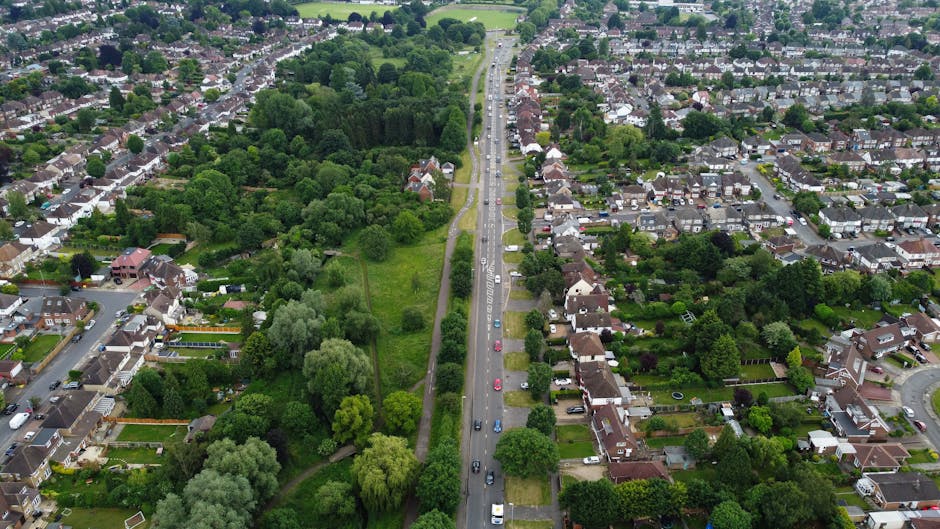
In West Heath, the issue tends to show up in a few familiar places. Think residential roads with parked cars on both sides, flats with limited loading bays, narrow entrances, shared driveways, or properties where a larger van simply cannot manoeuvre safely. A mover may also need extra time if the route includes a long carry from the vehicle to the front door. That is not a "gotcha"; it is a real operational cost.
What makes this tricky is that hidden fees are often folded into vague wording like "access charges", "difficulty surcharge", or "additional handling". If the wording is unclear, it is very easy to miss. And because moving day is already hectic, people tend to accept it just to keep the schedule moving. Fair enough, but it is better to know up front.
Expert summary: The safest approach is simple: ask how the mover defines narrow access, what triggers any extra charge, and whether the price is fixed or conditional. Clear answers now are worth more than a rushed apology later.
If you are still at the planning stage, it helps to review broader moving advice too. The guide on stress-free moving day planning is a good companion read, especially if you want to reduce last-minute complications before the van arrives.
How Hidden fees: narrow-lane charges for West Heath moves Works
Narrow-lane charges usually arise when the mover assesses access as slower, riskier, or more labour-intensive than a standard driveway or wide-road load. That assessment may happen from your description, photos, a map check, or a pre-move survey. In some cases, the charge is fixed. In others, it is calculated from the amount of extra time, the need for a smaller vehicle, or the number of crew members required.
Here is the general pattern. A removal company looks at the property and asks a few practical questions: Can a van stop safely outside? Is there a turning point? Will the team need to carry items around corners, down steps, or through a narrow passage? Will a larger removal van fit, or would a smaller removal van in West Heath be the safer call? Those little details shape the final quote more than many people expect.
There is also a timing element. A simple one-bedroom move may go smoothly in wide-open access, but in a tight lane the same job can take longer because the team has to protect the furniture, avoid contact with walls or gates, and keep pedestrians and neighbours clear. Let's face it, nobody wants a scratched banister or a blocked road because the quote was too optimistic.
For flats and upper-floor properties, the effect can be even more noticeable. A move from a compact building often involves stairs, communal hallways, or a longer approach from the parking spot. If that sounds familiar, the page on flat removals in West Heath is relevant because access and handling are closely linked.
What narrow-lane fees may include
- Extra walking distance between van and property
- Smaller van selection if a larger vehicle cannot access safely
- Additional crew time for manual carrying
- Waiting time caused by parking or access delays
- More complex loading due to tight corners, steps, or shared entrances
- Risk-related time added for careful manoeuvring
The important point is this: a genuine access complication is not the same as a made-up charge. Some moves really do need more resources. The key is transparency, not guesswork.
Key Benefits and Practical Advantages
At first glance, nobody wants to hear about extra charges. That is fair. But when handled properly, clear narrow-lane pricing can actually work in your favour. Why? Because it forces everyone to plan properly, avoid unsafe parking, and choose the right vehicle and crew size from the start.
One benefit is that it reduces day-of-surprises. If access has been checked, the mover can schedule the right van and enough labour. That means fewer delays, less stress, and less chance of a rushed job that ends with someone carrying a wardrobe sideways through a hallway while everyone holds their breath. Been there, seen that, not ideal.
Another benefit is better protection for your furniture and property. Tight spaces are where bumps happen. Stating access conditions clearly allows a mover to decide whether extra padding, more careful loading, or a revised route is sensible. It also helps if you are moving something more delicate, which is one reason people look into specialist advice like professional piano transport planning or the company's piano removals service in West Heath when heavy, high-value items are involved.
Finally, a proper access discussion gives you a better basis for comparison. If one mover includes access complexity in the base quote and another adds it later, you are not comparing like with like. That is where people get caught out.
| Quote style | What it usually means | Pros | Watch out for |
|---|---|---|---|
| Fixed all-in quote | Access and labour are priced together after assessment | Predictable, easier to budget | Depends on accurate information up front |
| Base quote plus access surcharge | Standard price with extra fee if access is tight | Can be fair if criteria are clear | Hidden if the trigger is not explained |
| Hourly pricing | Time is the main cost driver | Flexible for small moves | Tight lanes can inflate the clock quickly |
| Survey-based pricing | Quote built from a site check or detailed photos | Often the fairest for awkward properties | Requires accurate survey information |
Who This Is For and When It Makes Sense
This topic matters for almost anyone moving in West Heath, but it is especially relevant if your property has constrained access. That includes people moving from terraced streets, upper-floor flats, shared driveways, properties on roads with limited stopping space, or homes close to busier junctions. If you are moving at short notice, the risk is even higher because there is less time to check access properly.
It also matters if you are moving larger items. Sofas, wardrobes, beds, freezers, pianos, and office furniture all become harder to manage in narrow lanes. For example, if you are packing a lot of household items as well, the article on packing like a professional can help reduce load complexity before the crew even arrives.
Students and smaller households often assume access charges will not apply because the move is "only a few boxes". Sometimes that is true. Sometimes not. A small move can still be awkward if the van cannot stop close to the entrance or if the building has a tight stairwell. If you are in that group, the page on student removals in West Heath is a sensible reference point.
Commercial movers should pay close attention too. Office equipment, archive boxes, and desks are not always glamorous, but they are bulky. If access is poor, the extra handling can quietly add time and cost. No drama, just arithmetic.
Step-by-Step Guidance
If you want to avoid hidden narrow-lane charges, a bit of structure goes a long way. The process below is simple, but it saves headaches.
- Check the access from the street to the door. Walk the route if you can. Notice gate widths, turns, steps, pavement width, and where a van could stop without blocking traffic.
- Measure the awkward bits. You do not need a tape measure for everything, but the width of a gate, hallway, or side passage can make a huge difference.
- Take clear photos. Send images of the road, entrance, parking space, stairs, and any low branches or tight corners. A photo often tells the truth faster than a long message ever will.
- Ask how the mover defines narrow access. Does it mean no parking within a certain distance? Does it mean a van cannot sit outside? Ask for the criteria.
- Confirm whether the fee is fixed or conditional. A fixed charge is easier to budget for. A conditional charge should be explained in writing.
- Tell them about large or fragile items. A piano, a freezer, or a heavy sofa may require extra handling regardless of lane width. If that applies, look at temporary freezer storage guidance or bed and mattress moving tips to plan item-by-item.
- Plan parking before moving day. If there is a loading restriction or a difficult approach, make a backup plan. Sometimes the difference between a calm morning and a frantic one is one parked car. Slightly annoying, but true.
- Get the final price confirmed. Do not rely on "it should be fine". Ask for the finished quote and the conditions attached to it.
If the move is especially tricky, a survey or a video walkthrough can be worth it. It feels like an extra step, yes, but it often prevents an argument later. And that alone is worth the ten minutes.
Expert Tips for Better Results
Here is the practical bit most people only learn after one stressful move.
First, be brutally honest about access. People often understate the problem because they do not want to sound difficult. But a mover cannot price around a lane they do not know about. If the street is tight, say so. If there is nowhere to stop, say so. If the only parking is 70 metres away, say so. Everyone is happier.
Second, package the move to reduce handling time. Good packing helps more than most people think. Tidy, labelled boxes stack better and move faster. For more on that, decluttering before the move and packing efficiently both make a noticeable difference.
Third, think about bulky items early. A sofa, a mattress, and a heavy dresser can each change the access calculation. If you are moving bulky furniture, the guide to furniture removals in West Heath is worth a look because it reflects the practical side of handling larger pieces in tighter spaces.
Fourth, ask for the trigger point. What exactly turns a standard move into a narrow-lane move? Is it the distance from van to door, a vehicle restriction, or a combination? Once you know that, you can decide whether a small change in parking makes a big difference to cost.
Fifth, keep a calm buffer in the schedule. In the real world, a neighbour's car is sometimes in the way, or the only available parking space disappears five minutes before arrival. A little time cushion helps. Not glamorous, but useful.
Common Mistakes to Avoid
The biggest mistake is assuming access is "obvious" enough not to mention. It often is not. A road can look fine on a map and still be awkward once you factor in parked cars, width restrictions, or a bend that makes reversing a pain. Always describe the route, not just the postcode.
Another common problem is sending vague photos. A close-up of your front door is not enough if the issue is the road twenty metres away. The mover needs context. Show the approach, the nearest parking point, and any obstacles. A quick walk-and-photo sequence usually works best.
People also forget about timing pressure. If your building has a time-limited loading bay, mention it early. If you are moving from a busy road where parking is unreliable, mention that too. The local guide on West Heath High Street flats is helpful if your move has that sort of urban, tight-turn feel.
And then there is the old classic: not reading the quote carefully. If a price includes wording about access, stair carry, long carry, or waiting time, do not skim it. I know, nobody loves the small print. But that is exactly where fee surprises tend to hide.
Tools, Resources and Recommendations
You do not need specialised software to manage narrow-lane risks, but a few simple tools help a lot:
- Phone camera: Take wide photos of the road, entrance, and loading point.
- Notes app: Record distances, restrictions, and any access timings.
- Simple measuring tape: Useful for gates, hallways, and furniture widths.
- Floor plan or rough sketch: Handy if the property has multiple levels or awkward turns.
- Box labels: These reduce time on arrival and cut unnecessary back-and-forth.
For related moving tasks, the website also has practical articles on cleaning before moving out and keeping moving day organised. If you are planning to store anything between homes, the West Heath storage page can also be useful: storage in West Heath.
For awkward items, a little extra preparation goes far. If you have a sofa that needs safeguarding while you sort out access, the guide on sofa preservation for long-term storage is a decent reference point. And if you need help with the larger removals picture, the services overview helps you see how different move types fit together.
Law, Compliance, Standards, or Best Practice
This topic touches money, access, and safety, so best practice matters. In the UK, moving companies should present pricing clearly enough that a customer can understand what they are paying for before agreeing to the job. That is especially important where additional charges may apply because of access problems, difficult parking, or extra labour.
There is also a safety element. Narrow lanes and tight approaches increase the chance of damage if a vehicle is oversized or manoeuvred badly. Good practice means using the right van, planning the route, and avoiding unsafe loading or obstructive parking. If a company is being careful here, that is a positive sign, not a sales trick.
For customers, the practical rule is simple: ask for the assumptions behind the quote. If access is tight, request clarity on whether the quote includes extra walking distance, stair carries, waiting time, or a second trip. Written terms matter. So does plain language. No one enjoys jargon in a moving quote, especially not on a stressful Friday afternoon.
If you want to understand how the business handles trust and customer information more broadly, it can also help to review the company's terms and conditions, payment and security information, and insurance and safety details.
Options, Methods, or Comparison Table
Not every move needs the same response. Some narrow-lane problems can be solved by planning. Others need a different vehicle or a different loading approach. The table below shows the usual options.
| Method | Best for | Why it helps | Potential downside |
|---|---|---|---|
| Full access survey | Complicated streets, flats, or large items | Most accurate pricing | Takes more time before the move |
| Photo assessment | Moderately awkward access | Quick and practical | Can miss hidden constraints |
| Small-van approach | Very tight streets or low-clearance access | Better manoeuvrability | May require more trips |
| Timed loading plan | Busy roads with limited stopping space | Reduces waiting and disruption | Needs good coordination |
| Extra crew support | Long carries or heavy furniture | Faster and safer handling | Higher labour cost |
For some households, the best answer is to combine methods. For example, a photo assessment plus a small van plus careful packing may cost less than a vague "standard" move that ends up dragging on. In other words, the cheapest-looking option is not always the cheapest outcome.
Case Study or Real-World Example
Imagine a move from a West Heath flat on a road where parking is limited and the entrance sits a short walk from the nearest legal stopping point. At first glance, the job seems straightforward: two bedrooms, a sofa, a bed, and a handful of boxes. But once the mover checks access, the picture changes.
The larger van cannot stop outside. A smaller vehicle is needed, and the carry from vehicle to flat is longer than expected. The sofa has a tight turn in the hallway, so the team decides to remove the feet and add more protection to the corners. The lift is shared, so the crew has to stagger loading to avoid blocking neighbours. None of this is outrageous, but together it adds time.
Now compare that with a second customer who sends clear photos, explains that the only loading space is about a minute's walk away, and asks the mover to price it as a long-carry job. The quote arrives a little higher, but it is honest and predictable. On moving day, there is no argument, no scrambling, and no "we forgot to mention" moment. That is the difference clear communication makes.
It is a small thing, really. But small things are what make removals feel either smooth or messy.
Practical Checklist
Use this checklist before confirming your West Heath move.
- Walk the route from van access point to front door
- Check for parked cars, low branches, gates, bollards, or steps
- Measure any narrow hallways, side passages, or gates
- Photograph the road and the entrance from several angles
- Tell the mover about bulky items, especially sofas, beds, pianos, and freezers
- Ask whether narrow-lane charges, long-carry fees, or waiting time apply
- Confirm whether the quote is fixed or subject to access review
- Check whether a smaller van or extra crew would work better
- Plan parking and loading time before the move starts
- Keep the quote, terms, and key messages in writing
If you are also dealing with disposal or clearing out before the move, the article on bulky waste collection options in West Heath may save you a bit of hassle. And if you are moving out of an office or commercial unit, the local guide to West Heath Industrial Estate removals can help you think through access in a more commercial setting.
Get a free quote today and see how much you can save.
Conclusion
Hidden fees on narrow-lane West Heath moves are usually not mysterious once you know what to look for. They arise from access limits, extra labour, longer carries, and the practical reality of moving goods through awkward streets. The good news? Most of it can be identified before moving day if you ask the right questions and give clear information.
So the real takeaway is not "avoid all extra charges" - that is unrealistic. The smarter goal is to avoid surprise charges. Clear photos, honest descriptions, and a proper quote review will do more for your budget than any rushed last-minute negotiation. A little planning now, fewer headaches later. Simple as that.
If your move feels tight, cluttered, or just a bit awkward around the edges, take it one step at a time. West Heath moves can be handled well, even on narrow streets, and a calm, well-informed plan makes all the difference.
Frequently Asked Questions
What are narrow-lane charges in a house move?
They are extra fees that may apply when access is tight, parking is difficult, or the removal team needs more time and labour to load items safely. The charge is usually linked to the practical difficulty of the location rather than the postcode itself.
How do I know if my West Heath move will trigger an access fee?
Check whether a van can park near your property, whether the route is wide enough, and whether there are long carries, steps, or restricted stopping points. If in doubt, send photos and ask the mover to assess the access before confirming the price.
Are hidden fees the same as legitimate extra charges?
No. A legitimate extra charge should be explained clearly and tied to a real cost, such as added labour or extra vehicle time. A hidden fee is the one that appears without warning or without a clear reason.
Can narrow-lane charges be avoided completely?
Not always, but they can often be reduced or avoided through better planning. Sometimes changing the loading point, using a smaller vehicle, or improving parking arrangements makes enough difference to remove the surcharge.
Should I send photos of my street before moving day?
Yes, absolutely. Photos are one of the easiest ways to show access issues clearly. Try to include the road, the path to the property, the entrance, and anything that might affect manoeuvring or parking.
Do flats in West Heath tend to have more access issues than houses?
They can, especially where parking is limited, stair access is tight, or communal entrances slow the loading process. That said, some houses are just as tricky if the street is narrow or busy.
Is it better to book a bigger van or a smaller van for tight roads?
It depends on the access. A smaller van can be easier to park and manoeuvre, but it may require more trips. A mover should choose the vehicle based on the route, the load, and the risk of blocking the road.
Will decluttering help reduce narrow-lane charges?
Yes. Fewer items usually mean less handling time, faster loading, and a simpler route through the property. If you want practical help with that part, decluttering before the move is one of the easiest wins.
What should be written in the quote to avoid surprises?
The quote should ideally explain whether access is included, whether any long-carry or waiting-time fees apply, and whether the price can change if the access details turn out to be different from what was described.
Are narrow-lane fees normal for local removals?
They can be, yes, especially in areas with limited parking or tight streets. What matters is that they are discussed openly and priced fairly. Normal does not mean automatic, though, so always ask.
What if I only find out about the fee on moving day?
Ask for the reason in writing and compare it with the information you gave earlier. If you were not asked for access details or no fee trigger was explained, that is worth challenging through the company's stated complaints process.
How can I make a narrow-lane move less stressful?
Give accurate access details, prepare the property well, keep boxes tidy, and confirm parking in advance. A simple plan often makes the move feel far more controlled, even if the street itself is a bit awkward.
Do bulky items make access charges more likely?
They can. Large or awkward items take longer to carry and often need more protection. Furniture, beds, freezers, and pianos are the usual suspects, which is why specialist planning matters for those jobs.
Where can I learn more about West Heath move planning?
The most useful next steps are to review packing, parking, and property-specific moving advice, then ask the mover to confirm how they price access. A few minutes of prep can save you a fair bit of money and stress later.