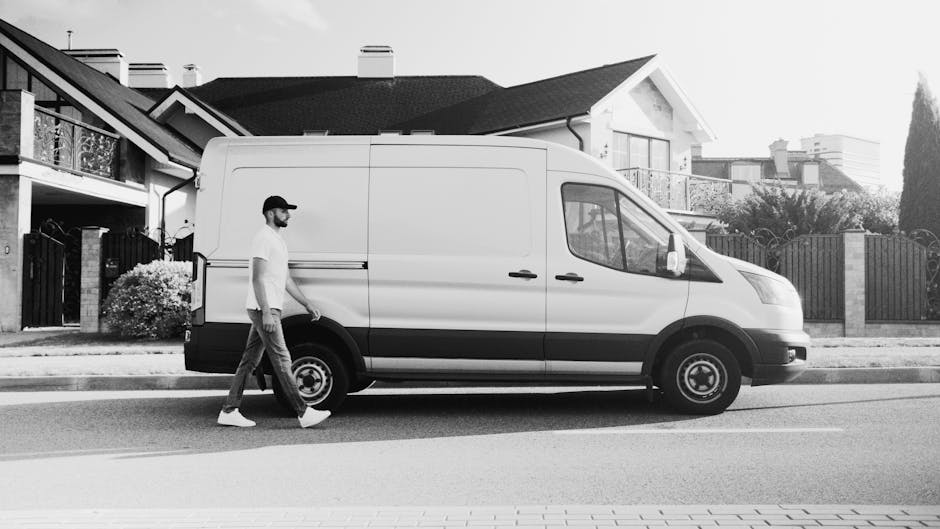
Van size comparison: best value for West Heath jobs
If you are trying to work out which van gives the best value for West Heath jobs, you are probably juggling three things at once: space, budget, and the awkward reality of local access. Too small and you end up making a second trip. Too big and you pay for empty space you never needed. Truth be told, that middle ground is where most people save the most money.
This guide breaks down van sizes in plain English, shows how to match them to typical West Heath jobs, and explains where value really comes from. Not just the sticker price. The right van size can cut loading time, reduce stress on the day, and make parking a lot less painful on a narrow road or a tight driveway. If you want a broader sense of the service side too, you can also look at man with van support and the company's pricing and quotes information before you decide.
Let's face it, a van that looks "cheap" on paper can become expensive very quickly if it is the wrong fit. So below, we'll compare common van sizes, talk through West Heath-specific considerations, and help you choose the option that makes sense for your job, not just your wallet.
Table of Contents
- Why van size comparison matters for West Heath jobs
- How van size comparison works
- Key benefits and practical advantages
- Who this is for and when it makes sense
- Step-by-step guidance
- Expert tips for better results
- Common mistakes to avoid
- Tools, resources and recommendations
- Law, compliance, standards, or best practice
- Options, methods, or comparison table
- Case study or real-world example
- Practical checklist
- Conclusion
- Frequently asked questions
Why Van size comparison: best value for West Heath jobs Matters
West Heath jobs are rarely just about moving boxes from A to B. Access can be tight, parking can be awkward, and the load itself may be heavier or more fragile than it first looks. A sofa, a wardrobe, a few flat-pack items, or a full flat move all behave differently once you start measuring them against van space.
That is why van size comparison matters so much. The right vehicle keeps the move efficient. The wrong one can turn a simple afternoon job into a slow, expensive shuffle of items through doorways and up stairs. You notice it most when the last few large items do not fit. Then the whole plan has to change on the fly. Not ideal.
For local jobs, value is not only about the hire rate. It includes fuel, time on site, loading effort, the number of trips, and whether the van can actually park near the property. If you are planning a home move, a bulky pick-up, or a small office relocation, it can help to compare van choice alongside the wider service options in removal services and home moves.
Expert summary: the best-value van is usually the smallest one that still handles the full load in one trip, with a little breathing room for awkward shapes and safe stacking. That "little breathing room" matters more than people think.
How Van size comparison: best value for West Heath jobs Works
Van size comparison is simply the process of matching the vehicle to the real load, the route, and the local access conditions. In practice, that means looking at:
- the volume of items, not just the number of items
- how bulky or awkward the furniture is
- whether anything is fragile, heavy, or awkward to carry
- how close the van can get to the property
- how many trips would be needed if you choose a smaller van
- whether helpers, loading time, or stair access change the equation
You can think of it like packing a suitcase for a long weekend. A bit of planning saves a lot of last-minute stuffing and sitting on the lid. Same idea, different scale.
In West Heath, many jobs sit in that awkward middle zone: not quite a full house move, but more than a hatchback or estate car can comfortably handle. That is where a well-sized small or medium van often gives the best value. Too large, and you may pay for unused space. Too small, and you risk a second run, which usually wipes out any saving.
If you are comparing service types as well as van sizes, it can help to understand the difference between a one-man or two-person style job and fuller removal support. Pages such as man and van, man and van removals, and removals near me give a broader picture of the options people usually consider.
Key Benefits and Practical Advantages
The right van size does more than keep costs under control. It changes how the whole job feels on the day.
1. Better value for money
When the van fits the job properly, you avoid overpaying for excess space or underpaying only to need a second trip. In real terms, the best-value option is often the one that is just roomy enough to load securely in one go.
2. Faster loading and unloading
A van with the right layout can speed up the job because items stack cleanly and stay stable. That means less reshuffling at the back doors and fewer awkward pauses while someone says, "Could we just try it this way?" Usually, yes, but you'd rather not have to.
3. Less risk of damage
If items are packed tightly but sensibly, they move less during transit. That can reduce scuffs, scrapes, and the old classic: the lamp that looked fine until it got wedged under a mattress at 4:30 p.m.
4. Easier access in residential streets
West Heath streets and driveways can vary a lot. A compact van may be easier to position outside a house, especially if parking is limited or the road is narrow. That can save time and reduce the need to carry items further.
5. Less stress on moving day
This sounds obvious, but the right van does calm the day down. You are not constantly rearranging the plan or worrying whether the final wardrobe will fit. It is a small thing, but a proper fit changes the mood of the whole job.
Who This Is For and When It Makes Sense
This kind of van comparison is useful for a wide range of people, but it is especially helpful if you are trying to keep costs sensible without cutting corners.
- Tenants moving from a flat or small house who want one efficient trip.
- Homeowners clearing a room or shifting bulky items into storage.
- Small businesses moving stock, equipment, or office furniture.
- Students and sharers with mixed items, boxes, and one or two larger pieces.
- People picking up furniture from a marketplace, shop, or warehouse.
- Anyone with restricted access who needs a van that can actually get close to the property.
It also makes sense if you are not sure whether you need basic transport or a more complete moving service. A small job may suit a furniture pick-up style arrangement, while a larger domestic move may be better matched with house removals or even house movers.
To be fair, a lot of people underestimate volume. A single wardrobe, a mattress, three boxes, a desk, and a small set of drawers can fill a van quicker than it sounds. The items are not huge on their own. Together, they suddenly are.
Step-by-Step Guidance
If you want the best-value van for West Heath jobs, use a simple process. It does not need to be complicated.
Step 1: Make a proper list of what is moving
Write down every major item and the number of boxes or bags. Do not rely on memory. People are optimistic by nature when they count moving boxes. One box becomes three, then seven, then "a few extra bits."
Step 2: Identify the awkward items
Mark anything that is long, heavy, fragile, or awkward to stack. Bed frames, mattresses, mirrors, sofas, washing machines, and tall wardrobes often affect van choice more than smaller boxes do.
Step 3: Check access at both ends
Think about stairs, lifts, parking, gate widths, and how far the van will need to sit from the door. If access is restricted, a slightly smaller van can sometimes be the smarter choice, even if the load volume looks manageable on paper. If access is especially tight, some local readers find advice in restricted access properties West Heath moving fixes useful before booking.
Step 4: Match the job to a realistic van size
Do not guess wildly. If you are between sizes, lean toward the one that allows safe loading without packing items like Tetris at the end of a long day. That little bit of extra room can be the difference between calm and chaos.
Step 5: Compare cost against likely efficiency
The cheapest quote is not always the best value. A slightly larger van can sometimes be cheaper in practice if it avoids an extra trip, additional labour, or a second time slot.
Step 6: Confirm any extra needs early
If the job involves assembly, packing, heavy lifting, or disposal of unwanted items, bring that into the plan early. It is always better to know before the van is already outside.
Step 7: Review the booking details carefully
Double-check arrival time, parking arrangements, what is included, and how the job is priced. If you want a clearer idea of service structure, the company's terms and conditions and insurance and safety pages are worth a look.
Expert Tips for Better Results
Here are the practical tips that save real money and hassle, not just tidy-sounding advice.
- Measure the biggest items first. One sofa or wardrobe can decide the van size for the whole job.
- Leave a buffer. A van that is "almost" big enough can become a problem if the final load includes odd-shaped extras.
- Stack by weight and shape. Put heavier, stable items low and lighter items on top where safe.
- Protect corners and surfaces. Blankets, straps, and simple wrapping can prevent annoying little dings.
- Plan the loading order. The last item into the van should be the first item you need out at the other end.
- Keep parking practical. If a larger van cannot get near the property, the theoretical savings may vanish fast.
A small note from real-world experience: a neat-looking loading plan can fall apart if nobody has thought about the path from front door to van. One awkward stairwell can change the entire rhythm of the move. And yes, someone always says, "It'll be fine," right before it is not fine.
If you are managing office furniture, stock, or mixed business equipment, a dedicated service such as commercial moves or office removals may offer better value than trying to stretch a domestic-style setup too far.
Common Mistakes to Avoid
Most bad van decisions come from the same handful of mistakes. Avoid these and you are already ahead.
- Choosing on price alone. Cheap can turn expensive if the van is too small.
- Forgetting about access. A large van is no help if it cannot park close enough.
- Underestimating mixed loads. Small boxes plus one or two awkward items often need more room than people expect.
- Not checking what is included. Some jobs need loading help, blankets, straps, or extra time.
- Ignoring disposal needs. If you are clearing old items, remember that removal and disposal are not always the same thing.
- Leaving packing too late. A half-packed move at dawn is nobody's favourite morning.
There is also the classic mistake of assuming every van is roughly the same. Not even close. The shape of the load area, wheel arches, and roof height can all affect what actually fits. This is where a careful comparison pays off.
Tools, Resources and Recommendations
You do not need specialist equipment to make a smarter choice, but a few simple tools help enormously.
- Room-by-room inventory list to estimate total load.
- Tape measure for large furniture and awkward items.
- Phone photos of bulky pieces so they can be assessed quickly.
- Floor plan or rough sketch if you are moving office items or furniture from several rooms.
- Packing labels to keep boxes organised and reduce loading confusion.
For practical preparation, the company's blog also covers useful moving topics like packing like a professional, stress-free house moving tips, and decluttering tips for your house move. These are especially helpful if you want the van choice to match a cleaner, leaner load.
If sustainability matters to you, it can also be worth reading about recycling and sustainability, especially when your job includes unwanted furniture or mixed household waste. Sometimes the best-value move is the one that avoids unnecessary disposal later on.
Law, Compliance, Standards, or Best Practice
For most small removals and transport jobs, the main compliance concerns are practical rather than complicated: safe loading, sensible driving, appropriate insurance, and proper handling of items that may be hazardous or restricted.
If the job includes waste, chemicals, electrical goods, or broken items, do not treat it casually. Some materials need careful handling and should not simply be thrown in with general household goods. A reputable mover should be clear about what can and cannot be transported. If you are unsure, ask before the job starts. It saves awkward conversations later, and frankly, a lot of stress.
Parking and access can also matter in local residential areas. The right approach is usually to plan ahead, avoid blocking neighbours, and follow any site or road restrictions that apply. For a deeper look at local access concerns, the articles on parking permits for removals and parking access tips can help you think through the practical side.
Best practice is simple: use a vehicle sized for the load, secure items properly, keep pathways clear, and make sure the service provider is transparent about insurance and process. That is the standard you want, even for a small job.
Options, Methods, or Comparison Table
Here is a straightforward comparison of common van sizes and how they typically suit West Heath jobs. Exact capacity varies by vehicle, so treat this as a practical guide rather than a hard rule.
| Van type | Best for | Typical strengths | Possible drawbacks | Best value when... |
|---|---|---|---|---|
| Small van | Single items, a few boxes, light pick-ups | Easy to park, economical, simple for short jobs | Limited space for furniture or mixed loads | Access is tight and the load is modest |
| Medium van | Flat moves, mixed household items, small business jobs | Good balance of space and manoeuvrability | May still be too small for larger furniture sets | You want one-trip efficiency without going oversized |
| Large van | Larger flat moves, bulky furniture, multi-room loads | More room, fewer loading compromises | Harder to park, can be overkill for small jobs | You have several large items and want to avoid a second run |
| Luton-style or higher-capacity removal van | Big domestic moves, stacked boxes, tall furniture | Excellent cubic space and loading flexibility | May be more than needed for simple local jobs | The job is substantial and volume matters most |
In plain English: if the job is small, a small van can be the smartest value. If the load is mixed and you are not sure, medium usually wins on balance. If it is a proper house move, going too small is where costs start creeping up.
And one more thing. Sometimes a slightly larger van can actually be the more efficient choice if the job includes awkward furniture or limited loading time. The "best value" answer is not always the cheapest van. It is the van that gets the work done cleanly, in one go, without drama.
Case Study or Real-World Example
Picture a typical West Heath scenario. A tenant is moving from a one-bedroom flat into another property nearby. The load includes a bed frame, mattress, two drawers, a small sofa, a desk, eight boxes, and a couple of bags of soft furnishings. Nothing extreme, but more than a couple of car runs.
At first glance, a small van sounds fine. But once the mattress, sofa, and drawers are laid out, the space is tighter than expected. If the route involves a few awkward stairs and a tight parking spot, a medium van often turns out to be better value because it reduces the chance of a second trip and gives more flexibility with loading order.
Now compare that with a furniture pick-up job: one wardrobe, one armchair, and a handful of boxed items. In that case, a smaller van may be ideal. You save on wasted space, the job stays simple, and you are not manoeuvring a bigger vehicle than the street really needs.
That is the real lesson. Same area, same day, two very different jobs. The best-value van changes depending on the load, the access, and how tightly the schedule needs to run. No magic formula. Just good judgement.
Practical Checklist
Use this checklist before you book.
- Make a full list of furniture, boxes, and awkward items.
- Measure your largest pieces if you are unsure.
- Check stairs, lifts, and parking at both addresses.
- Estimate whether one trip is realistic.
- Decide if you need loading help or packing support.
- Ask what is included in the price.
- Confirm whether the job involves any disposal or recycling.
- Review insurance and safety information.
- Choose a van size that allows for safe loading, not just bare minimum space.
- Book early if your move has a fixed time window.
If you can tick most of those boxes, you are usually in good shape. It does not have to be perfect. Just properly thought through.
Conclusion
Choosing the best-value van for West Heath jobs is really about balance. Space, access, time, and price all pull in different directions, and the smartest choice is the one that handles the real job cleanly rather than the theoretical job on paper.
Small vans suit light pick-ups and tight access. Medium vans often give the best all-round value for mixed local jobs. Larger vans make sense when the load is bulky, the move is fuller, or a second trip would be a nuisance. In other words, size matters - but only in the right way.
Get the fit right and the whole day feels calmer. That is the quiet win people remember.
Get a free quote today and see how much you can save.
And if you are still weighing things up, that is completely normal. A careful choice now can make moving day feel a lot lighter, and honestly, that is worth quite a bit.
Frequently Asked Questions
What size van is best value for a small West Heath job?
For a small job, a compact or small van is usually best value if the load is light, the access is tight, and you only need a single trip. If you have one bulky item plus boxes, a medium van may still be the safer choice.
Is a medium van usually the best all-round option?
Often, yes. A medium van tends to give the best balance between space, manoeuvrability, and cost for many West Heath moves. It is a sensible option for mixed loads where a small van might be a squeeze.
How do I know if I need a larger van?
If you have several large furniture items, a full room's worth of boxes, or anything awkward like a sofa, mattress, or wardrobe, a larger van may be better. The main clue is whether everything fits safely in one load.
What makes a van "best value" rather than just cheapest?
Best value means the van completes the job efficiently without forcing a second trip, extra labour, or risky overpacking. The cheapest quote can end up costing more if the vehicle is too small.
Can access problems change the van size I should choose?
Yes, absolutely. Narrow roads, limited parking, gates, stairs, and tight turn-in points all matter. Sometimes a slightly smaller van is better value simply because it can park closer and load faster.
Should I choose van size based on volume or item count?
Volume is usually more important than item count. A few bulky pieces can use more space than a surprisingly large number of boxes. Always think about shape, not just quantity.
Is it worth paying for a bigger van "just in case"?
Sometimes, yes, if the job is borderline or includes awkward furniture. But there is no point paying for a much larger vehicle if the load is clearly modest. The sweet spot is enough room for safe loading and a bit of flexibility.
What should I check before booking a van for a West Heath move?
Check your load list, access at both addresses, whether you need help loading, and what the price includes. It also helps to review insurance and safety details before confirming anything.
Can I use a van comparison for office jobs too?
Yes. Office jobs often involve desks, chairs, IT equipment, and filing items that take up space in awkward ways. A van comparison is just as useful for business moves as it is for home moves.
What if I am unsure between two van sizes?
If you are between sizes, think about the risk of a second trip, the importance of parking ease, and how much time you have. In many cases, the slightly larger option is better value if it prevents extra hassle.
Do I need special support for bulky items like sofas or mattresses?
Not always, but bulky items can change the whole loading plan. If you have multiple large pieces, a van with more space and a team used to handling furniture can be a real help.
Where can I find more help on local moving arrangements?
Local guidance on parking, access, packing, and move preparation can make a big difference. The company's service pages and blog articles cover many of the practical issues people run into during West Heath jobs.